
Let’s be honest, nothing stops your heart faster than seeing an open gate and realizing your dog is gone. As a seasoned large-breed owner based right here in Texas, I know that sudden, terrifying panic all too well. Finding the best gear to keep our canine companions safe is a necessity for any responsible owner.
That is exactly why we spent months field-testing the market to bring you the definitive Top 5 GPS Trackers for Dogs. Whether you own a cunning escape artist or an intensely driven working breed, investing in premium safety technology provides unmatched peace of mind. We refuse to recommend cheap, unreliable knockoffs that fail when you need them most.
Last summer, during a brutal 105°F-degree Texas afternoon, my 90lb German Shepherd mix, Duke, spotted a jackrabbit. He is a massive pulling machine, and he snapped his standard leash clip in a fraction of a second. He immediately disappeared into the thick, thorny mesquite brush behind our property.
If we hadn’t equipped him with a reliable tracking collar, finding him before heatstroke set in would have been virtually impossible. We tracked his exact coordinates on my smartphone and recovered him panting but perfectly safe within ten minutes. That harrowing day fundamentally changed how we view premium dog safety gear.
Top 5 GPS Trackers for Dogs in 2026
Garmin Alpha 300i & TT 25 Collar Bundle
Why We Picked It: We consider this the absolute pinnacle of canine tracking for off-grid environments and highly rugged outdoor work. It bypasses cellular networks entirely, making it the only reliable choice for remote Texas ranches where cell service is nonexistent. The heavy-duty construction easily handles our massive 90lb dog crashing through dense, thorny underbrush without a single scratch.
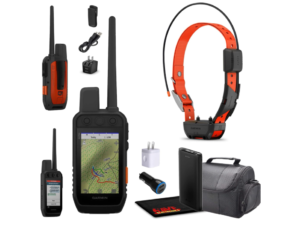
Key Specs: Tracking Range: Up to 9 miles, Waterproof Rating: 1 ATM (10 meters), Battery Life: Up to 68 hours, Network Type: VHF and InReach Satellite.
Pros:
Requires absolutely no local cellular coverage to function perfectly.
Features incredibly detailed topographic maps directly on the handheld screen.
Extremely durable collar built specifically for massive, aggressive working dogs.
Allows reliable communication via satellite text messaging in remote emergencies.
Cons:
The initial purchase price is exceptionally high for a casual pet owner.
The setup learning curve is steep and requires reading the manual thoroughly.
Fi Smart Dog Collar Series 3
Why We Picked It: We love the sleek profile of this device because it sits perfectly flush against the collar fabric. The battery life is arguably the best in the consumer market, easily lasting over a month on a single charge in our busy household. It provides exceptionally fast escape alerts the exact moment our heavy puller breaches our digital property line.
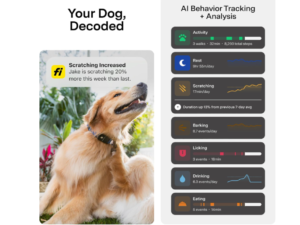
Key Specs: Casing Material: Stainless Steel armor, Waterproof Rating: IP68 (and IP66K for high pressure), Battery Life: Up to 3 months on standby, Network Type: AT&T LTE-M.
Pros:
Extremely low-profile design completely prevents snagging in heavy brush.
Industry-leading battery performance drastically reduces daily charging anxiety.
The smartphone app is intuitive and responsive.
The stainless steel frame withstands intense bite force and heavy impacts.
Cons:
Relies heavily on the AT&T cellular network for live directional tracking.
The proprietary collar attachments mean you cannot easily swap it to standard collars.
Tractive GPS Tracker for Large Dogs
Why We Picked It: This is an outstanding option for owners who want premium features without the extreme upfront cost of high-end models. The device is specifically contoured for large breeds, meaning it sits comfortably against thick necks without shifting wildly during runs. We were impressed by how accurately it tracked our dogs across varying suburban and mildly rural environments.
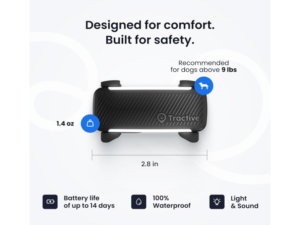
Key Specs: Weight Constraints: Best for dogs over 40 lbs, Waterproof Rating: IPX7, Battery Life: Up to 1 month, Network Type: 4G LTE with multi-network roaming.
Pros:
Multi-network roaming automatically connects to the strongest available cell tower.
Highly affordable initial purchase price compared to direct competitors.
The curved design is incredibly ergonomic for large, heavily muscled breeds.
Offers highly detailed activity and sleep monitoring data within the app.
Cons:
The rubber attachment clips can slowly stretch out over years of heavy use.
Live tracking mode drains the battery significantly faster than advertised.
Halo Collar 5 Wireless Virtual Fence
Why We Picked It: This system brilliantly combines reliable GPS tracking with an entirely customizable virtual containment system. We successfully created instant, invisible boundaries for our dogs while camping out in the expansive Texas Hill Country. The training feedback features are incredibly humane and highly effective for keeping large, stubborn dogs safely contained.
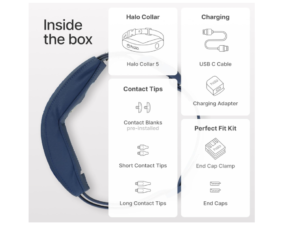
Key Specs: Containment Type: GPS Virtual Fences, Waterproof Rating: IP67, Battery Life: Up to 24 hours, Network Type: GPS, Bluetooth, and Cellular.
Pros:
Allows you to create highly customized virtual fences anywhere in the world.
Completely eliminates the need for expensive, buried physical containment wires.
Provides highly customizable feedback levels including gentle vibrations and tones.
Designed with heavy-duty materials tailored for strong, active breeds.
Cons:
Requires consistent daily charging due to the heavy, constant GPS usage.
Demands a significant time investment to properly train your dog on the system.
Dogtra Pathfinder 2 GPS Dog Tracker & E-Collar
Why We Picked It: We highly recommend this heavy-duty system for large breed owners who want true, off-grid tracking combined with professional training tools without a monthly fee. It bypasses cellular networks entirely using satellite technology, making it incredible for rural areas or thick brush. The integrated smartwatch control allows you to monitor your dog’s location directly from your wrist while keeping your phone tucked safely in your pocket.
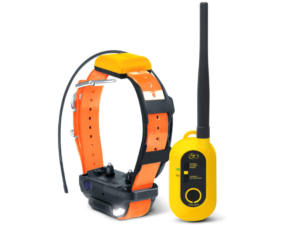
Key Specs: Tracking Range: Up to 9 miles, Waterproof Rating: IPX9K Certified, Refresh Rate: 2-second real-time updates, Network Type: Satellite & Bluetooth 5.0 (No cell service required).
Pros:
Eliminates ongoing monthly subscription or data contract fees.
Downloadable offline maps let you track your dog flawlessly with zero cell signal.
Built-in high-visibility LED locate light helps pinpoint dark-coated dogs at night.
Features dual tracking and e-collar training functions, including tone, vibration, and stimulation.
Cons:
Requires carrying the included GPS connector remote to bridge the signal to your phone.
The advanced interface and professional e-collar features require some time to master.
A Comprehensive Buying Guide for Dog Trackers
Choosing the right device requires a deep understanding of the core technology behind it. You cannot just pick the prettiest collar on the shelf and expect it to perform in rough, real-world conditions. We need to look closely at hardware durability, battery efficiency, and overall network reliability.
The Difference Between Cellular and Satellite Networks
Most consumer dog trackers rely entirely on local cellular networks to send your dog’s location to your phone. This means the collar contains a tiny SIM card continuously pinging nearby cell towers. If you live in an area with notoriously spotty cell service, these devices might struggle to update in real-time.
For heavily rural areas, true satellite systems are completely independent of local cell networks. They use distinct radio frequencies to communicate directly with a dedicated handheld device. These systems are significantly more expensive but absolutely essential for backcountry hiking, hunting, or remote ranching.
Battery Life Expectations and Thermal Drain
Battery life is heavily influenced by exactly how often the device updates its location. A tracker pinging every five seconds will die much faster than one pinging every ten minutes. We always recommend setting up battery-saving safe zones around your home Wi-Fi network.
Extreme heat also plays a massive role in battery degradation over time. We once tested a budget-friendly tracker that literally warped after sitting on the dashboard of my truck during a 110-degree July afternoon. Premium devices utilize high-grade lithium-ion batteries encased in heat-resistant housing to prevent this catastrophic failure.
Sizing and Ergonomics for Large Breeds
When handling a pulling 90lb dog, the physical attachment mechanism of the tracker matters immensely. Flimsy plastic clips will easily snap under the sheer force of a large breed hitting the end of a long training line. You must ensure the tracker sits flush against the collar or uses heavily reinforced metal brackets.
A bulky device dangling from a standard D-ring is a severe entanglement hazard in heavy brush. We strongly prefer trackers that slide directly onto a heavy-duty tactical collar. This keeps the valuable tech secure, streamlined, and completely out of the way when your dog is wrestling or running.
Durability and Waterproof Ratings Explained
Texas weather can swing from dusty droughts to torrential flash floods in a matter of hours. Your dog’s gear must be able to withstand total submersion in murky, muddy water. We always check the official IP rating before we even consider attaching a device to our dogs.
An IP67 rating means the unit can survive temporary submersion in shallow water without frying the delicate electronics. An IP68 rating is even better, offering extended, superior protection against deeper water pressure. If your dog loves swimming in lakes or murky stock tanks, accept nothing less than IP68.
Understanding Update Frequencies and Live Tracking
When your dog actually goes missing, every single second feels like an absolute eternity. This is why the update frequency of your chosen device is a vital specification to review. Standard standby modes might only update your tracking app every ten minutes to conserve battery life.
However, when you engage the emergency live tracking feature, the device should ping your phone every two to three seconds. This rapid update rate drains the battery quickly but provides highly accurate, real-time directional tracking. We consider this fast ping rate completely necessary for recovering a fast-moving animal.
The Value of Light and Sound Features
Many modern tracking collars now include built-in LED lights and high-pitched audible beepers. We initially assumed these extra features were just marketing gimmicks to inflate the final price tag. Extensive field testing quickly proved us entirely wrong on that assumption.
If you are searching for a dark-coated dog alongside a dark road at night, a flashing LED is incredibly helpful. The audible tone is equally valuable when your dog is hidden in dense underbrush right next to you. You can remotely trigger the tone from your smartphone to pinpoint their exact physical location in the dark.
Managing Software and Subscription Costs
Most people forget that buying the physical tracker is only the very first step. Almost every single cellular GPS device on the market requires a monthly or annual subscription plan. This mandatory fee covers the cellular data used to transmit the GPS coordinates to your smartphone app.
We highly suggest factoring in the annual subscription cost when initially determining your budget for this gear. The smartphone application itself should be incredibly intuitive, fast, and completely bug-free. When your dog is missing, you absolutely do not have the time to deal with clunky menus or crashing software.
Also Check- Top 5 Best Light Up Collars for Dogs
Frequently Asked Questions
Do I really need to pay a monthly subscription fee?
We get asked this very specific question constantly by budget-conscious dog owners. The short answer is yes, unless you are purchasing a radio-frequency or satellite-based system like the Garmin Alpha. Cellular trackers absolutely require mobile data networks to consistently beam your dog’s exact location to your phone.
Telecom companies charge the tracker manufacturers heavy fees for this constant, worldwide data usage. The monthly subscription fee simply passes that continuous network access cost directly to the consumer. Without an active data plan, your expensive tracker essentially becomes a completely useless piece of plastic.
Can I just use an Apple AirTag instead of a dedicated tracker?
We strongly advise against ever relying solely on an Apple AirTag to find a runaway dog. AirTags completely lack built-in GPS receivers; they rely entirely on passing iPhones to bounce a short-range Bluetooth signal. If your dog gets lost in deep woods or a rural area, there are zero passing iPhones to update their location.
AirTags are genuinely fantastic for finding your missing keys in your own living room. They are entirely inadequate and frankly dangerous to rely on for a panicked dog sprinting miles away from civilization. Always invest in true satellite-based GPS technology when protecting living animals.
How tightly should a tracking collar fit on a large breed?
A tracking collar needs to fit snugly enough that the device maintains a consistent skyward orientation without rotating to the dog’s throat. We highly recommend using the standard two-finger rule for optimal sizing and comfort. You should be able to slide exactly two fingers between the collar strap and your dog’s neck comfortably.
If the collar is left entirely too loose, the heavy GPS unit will swing violently when your large dog runs. This excessive swinging can easily cause severe chafing, deep bruising, and extreme discomfort for your pet. A highly secure fit also physically prevents the expensive tracker from getting snagged on low-hanging branches or wire fencing.
Final Verdict
Protecting your dog is a vital investment in their life and your ultimate peace of mind. We have seen firsthand how incredibly fast a calm afternoon can suddenly turn into a frantic search operation. Equipping your canine companion with reliable, premium technology is the absolute smartest decision a responsible owner can make today.
Review the specific cellular coverage maps for your exact local area before finalizing your major purchase. Choose the specific device that perfectly matches your dog’s energy level, your local terrain, and your household budget. Remember that premium safety gear is entirely worthless if the battery is dead, so keep those trackers fully charged and ready for action.
Pingback: Top 10+ Most Dog-Friendly Cities in America