
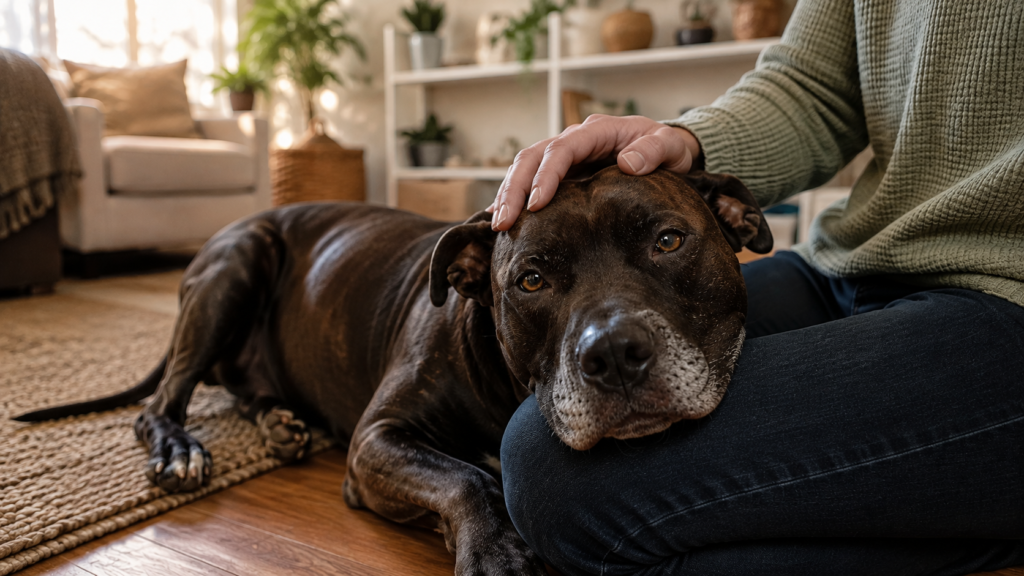
Adopting a rescue dog is one of the most rewarding things you’ll ever do — and the first month shapes everything that follows. Learning how to train a rescue dog isn’t about perfection on day one; it’s about patience, routine, and building trust one small win at a time.
This week-by-week plan walks you through the critical first 30 days: what to prioritize, what to postpone, and how to handle the bumps every rescue parent hits. Follow it, and you’ll end the month with a dog who trusts you — and a foundation for years of good behavior.
Before Day One: Setting Up for Success
Preparation prevents most first-week chaos. Before your dog arrives: puppy-proof the house (secure trash, chemicals, and chewable valuables), set up a quiet resting spot away from high-traffic areas, and stock essentials — food, bowls, leash, collar with ID tag, enzyme cleaner, and a few toys.
Decide the rules now: Is the dog allowed on furniture? Where will they sleep? Who handles walks? Everyone in the household must enforce the same rules from day one — mixed messages confuse a dog who’s already adjusting to massive change.
Week 1 — Decompression (Days 1–7)
The golden rule of week one: do less than you think you should. Your new dog is overwhelmed — new smells, new people, new everything. Training can wait; decompression can’t.
Give Them Space to Decompress
Set up a safe space — a crate, a gated corner, or a quiet room — where the dog can retreat undisturbed. A calming dog bed for anxiety with raised edges can help a nervous rescue feel sheltered. Let the dog come to you; don’t force affection. Many rescues need 3–7 days before they voluntarily seek interaction.
Establish the Routine Immediately
Feed, walk, and sleep on a fixed schedule from the very first day. Predictability is calming for anxious dogs — it teaches them that good things happen reliably in this new place. Keep outings short and low-key: a quiet walk around the block beats a trip to the busy dog park. Avoid visitors, parties, and new experiences this week.
Week 2 — Building Trust (Days 8–14)
As the fog lifts, your dog’s real personality starts emerging. This is the week to become their favorite person through food, calmness, and consistency.
Hand-Feeding and Positive Associations
Hand-feed portions of meals to build a direct association between you and good things. Pair everyday events with treats: collar touch = treat, leash clip = treat, gentle handling of paws and ears = treat. You’re building a bank account of positive experiences that future training will draw on.
Introduce Handling and the Leash Indoors
Practice brief, gentle handling sessions — touch paws, ears, and collar, then reward. Clip the leash on indoors and let them drag it under supervision so it becomes boring before you ever go outside. If your dog freezes or panics, you’ve moved too fast; back up a step and go slower.
Week 3 — Training Foundations (Days 15–21)
Now the real training begins — in short, fun sessions. Keep them to 3–5 minutes, 2–3 times daily. End every session on a success.
Start with Three Core Commands
Teach sit, come, and leave it first — these three cover most daily situations. Use lure-reward training: guide with a treat, mark the correct behavior with “yes!”, and reward. Never punish mistakes; simply reset and try again. Rescue dogs with unknown histories may shut down under harsh corrections, so keep everything upbeat.
Crate and Alone-Time Practice
Begin alone-time training in tiny doses: step out of sight for 5 seconds, return calmly, repeat. Build gradually. Feed meals in the crate with the door open to build positive associations. A mentally tired dog settles better, so add mental stimulation toys for dogs like stuffed Kongs or snuffle mats to the daily routine — enrichment prevents the boredom that fuels destructive behavior.
Week 4 — Real Life Begins (Days 22–30)
By now you know your dog’s quirks, energy level, and triggers. Start expanding their world gradually: slightly busier walking routes, one calm visitor at a time, a first car ride. Keep training sessions going and begin proofing commands in mildly distracting environments — the backyard before the park.
This is also when many adopters hit the “what have I done” phase — the honeymoon ends and annoying habits surface. That’s normal. The dog is finally comfortable enough to show you who they really are, which means the real training can finally begin. Stay consistent; month two is when things click.
Challenges to Expect (and How to Handle Them)
- House training regressions: Even “house-trained” rescues may have accidents in a new home. Treat every rescue like an 8-week-old puppy for the first two weeks: frequent outings, heavy rewards for going outside, zero punishment for accidents.
- Separation anxiety: Common in rescues. Practice graduated departures, keep arrivals and departures boring, and never make a fuss. Severe cases need professional help — this isn’t stubbornness, it’s panic.
- Leash reactivity: Barking or lunging at dogs on walks often stems from fear or frustration. Create distance, reward calm behavior, and consider a certified trainer rather than corrective tools.
- Resource guarding: If your dog stiffens over food or toys, don’t confront them. Trade up (offer something better), feed in a quiet spot, and get professional guidance — guarding is manageable but needs the right approach.
Frequently Asked Questions
How long does it take a rescue dog to adjust?
The commonly cited 3-3-3 rule says 3 days to decompress, 3 weeks to learn routines, and 3 months to feel fully at home. Every dog differs — shy or traumatized dogs may need longer. Judge by behavior, not the calendar.
Should I train my rescue dog myself or hire a trainer?
Basic training (sit, come, leash manners) is very doable on your own with positive methods. Hire a certified professional (look for CPDT-KA or IAABC credentials) if you see aggression, severe anxiety, or resource guarding — these need expert eyes.
Is it okay to change a rescue dog’s name?
Absolutely. Dogs learn new names within days when paired with treats. A new name can even be a fresh start, free from any negative associations of the old one.
My rescue was fine the first week but now misbehaves. Why?
This is actually a good sign — it means your dog feels safe enough to test boundaries. The shutdown phase is ending and their real personality is emerging. Stay calm, stay consistent, and keep training.
When can I take my rescue dog to the dog park?
Not in the first 30 days. Dog parks are overwhelming for decompressing rescues and a common site of bad first experiences. Wait until basic obedience is solid and you know how your dog handles other dogs — then start with quiet, off-peak visits.
Veterinary note: schedule a vet checkup within the first week of adoption, even if the shelter provided records. Your vet can verify vaccinations, screen for parasites, and flag health issues that affect behavior. If your dog shows sudden aggression, lethargy, or appetite changes, consult your veterinarian promptly — medical problems often masquerade as training problems.
The First 30 Days Are Just the Beginning
Thirty days won’t produce a perfectly trained dog — and that’s okay. What it will produce is trust, routine, and a shared language between you and your rescue. The dogs who struggle most in month one often become the most devoted companions by month three, because they’ve learned that you’re patient, predictable, and safe.
Keep training sessions short, keep expectations realistic, and celebrate small wins. The rescue dog leaning against your leg on day 30 — the same dog who cowered in the corner on day one — is proof that the plan works.