
The Ultimate Guide to Large Dogs With Longest Lifespan: Real Breed Rankings & Longevity Secrets
As a canine longevity researcher and a guy who has spent his whole life raising big dogs right here in the US, I completely understand the heartbreak of outliving your best friend. We invite these massive, goofy dogs into our homes, already dreading the reality that their time with us is limited. I currently share my couch with a 90-pound rescue mutt, and like any obsessed dog dad, I spend my days figuring out how to keep him around forever.
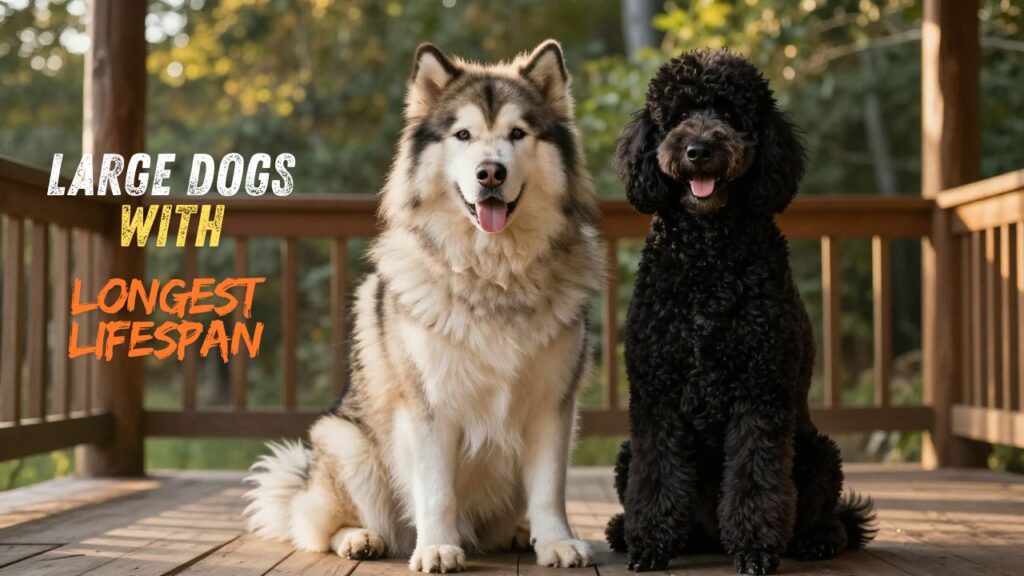
If you are currently hunting for large dogs with the longest lifespan, you have officially landed in the right place. Big dogs naturally age faster than little dogs because their bodies go through massive, rapid growth spurts during puppyhood. Carrying around 80 to 100 pounds simply wears down their hearts and joints much faster over time. Luckily, thanks to smart breeding and sheer genetic luck, a few heavy-duty breeds completely break the rules and live well into their teens.
Top Large Dog Breeds Ranked by Lifespan
| Breed Name | Average Lifespan | Primary Health Concern |
| American Alsatian | 12 – 15 years | Joint dysplasia |
| Alaskan Malamute | 12 – 15 years | Hip dysplasia |
| Standard Poodle | 12 – 15 years | Gastric dilatation (Bloat) |
| Giant Schnauzer | 12 – 15 years | Autoimmune diseases |
| Belgian Malinois | 12 – 14 years | Hip dysplasia |
| Anatolian Shepherd | 11 – 14 years | Entropion (Eye issues) |
Deep Dive Into the Longest-Living Large Dogs
The longest-living large dogs include the Standard Poodle, Alaskan Malamute, and American Alsatian, all of which routinely reach 12 to 15 years of age. These specific breeds achieve remarkable longevity due to unique genetic frameworks, leaner body masses, and historically careful breeding practices.
Standard Poodle
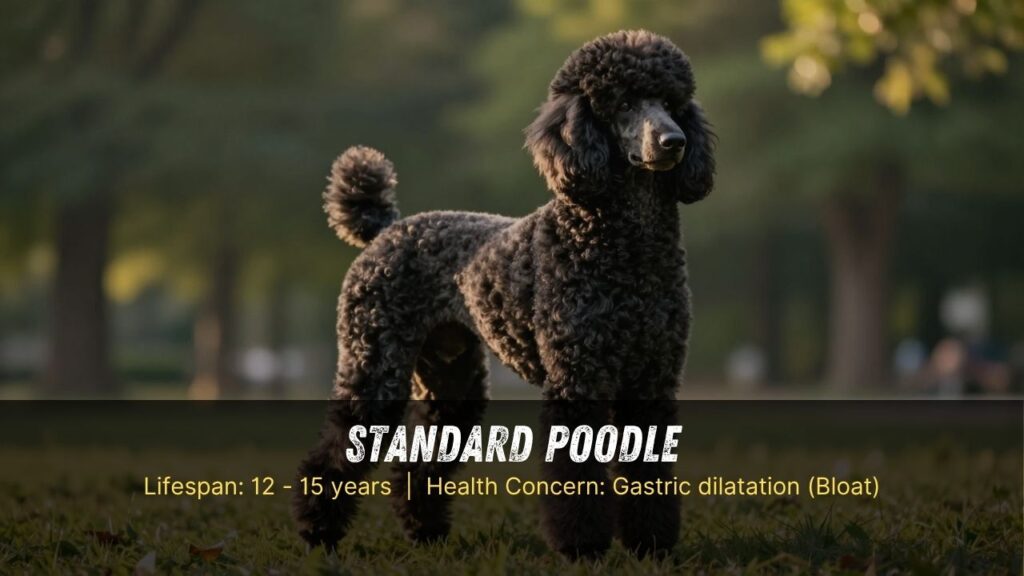
Standard Poodles consistently rank at the top of the longevity charts for dogs weighing over 50 pounds. They routinely live between 12 and 15 years, with plenty of them reaching well beyond that mark. I always tell prospective big dog owners to ignore the fancy, fluffy haircuts you see at dog shows.
Beneath all that hair, Standard Poodles are rugged, athletic water retrievers with incredibly robust immune systems. Unlike heavier, bulkier breeds, they have a slender, light-footed build that puts significantly less wear and tear on their joints. This naturally lean body mass drastically slows down their physical aging process while preserving their mobility.
Their absolute biggest threat in life is bloat, a sudden stomach condition common in deep-chested dogs. Feeding them multiple small meals a day from a slow feeder is the absolute best way to protect their extended lifespan.
Alaskan Malamute
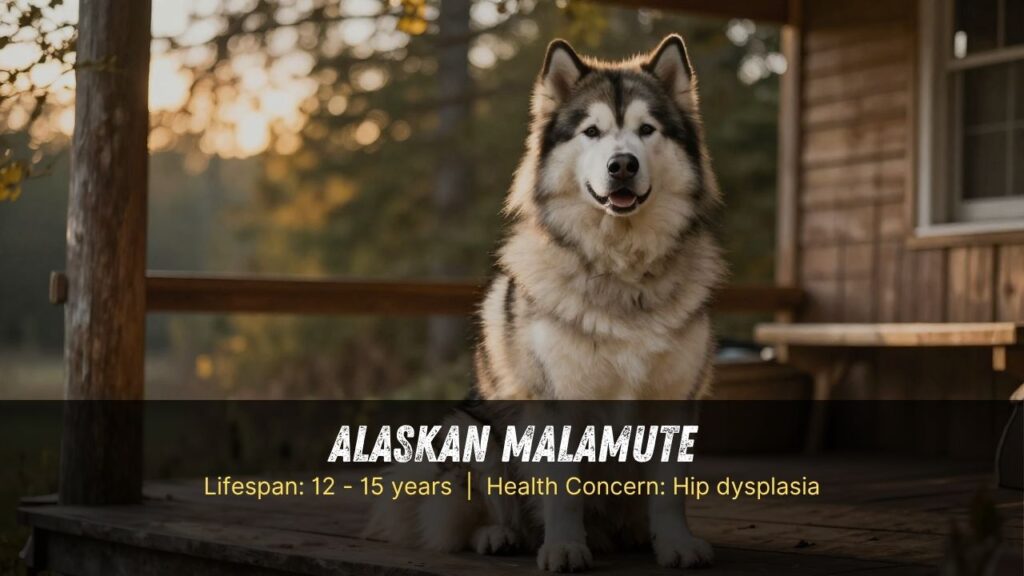
The Alaskan Malamute offers a highly impressive lifespan of 12 to 15 years, defying the short-life expectations usually placed on dogs weighing up to 90 pounds. This ancient breed evolved in the harshest arctic environments on earth. Nature basically forced them to survive, selecting only the absolute healthiest and most durable genetics over thousands of years.
These dogs are built for endless stamina rather than heavy, explosive power. Because they were originally bred to pull sleds over vast, freezing distances, their cardiovascular systems are exceptionally strong. However, cashing in on this longevity requires keeping the Alaskan Malamute incredibly active every single day.
If you let them live a lazy, sedentary lifestyle, they will quickly become obese. Obesity will slash their lifespan in half by destroying their hips and knees. You absolutely must commit to rigorous daily walks and hikes to keep these winter dogs young and vibrant.
American Alsatian
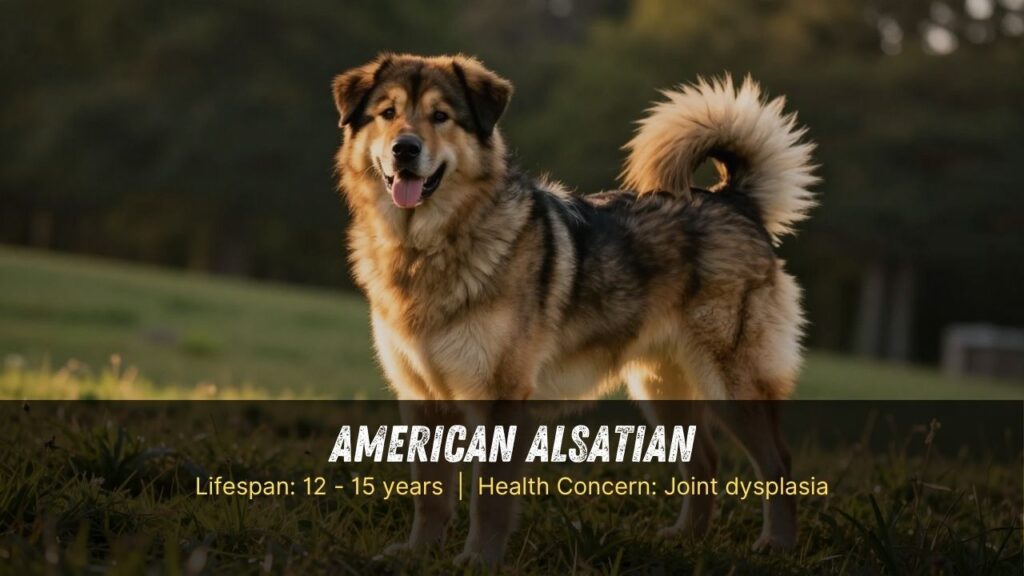
The American Alsatian is a modern success story in the dog world, boasting a life expectancy of 12 to 15 years. Breeders specifically engineered this 90-to-120-pound dog to look exactly like the extinct Dire Wolf. However, they prioritized health and a long lifespan above their wild appearance.
By carefully mixing exceptionally healthy large dogs like the Alaskan Malamute, German Shepherd, and Great Pyrenees, breeders intentionally expanded the genetic pool. This wider genetic diversity naturally filters out the hereditary diseases that usually doom heavily purebred dogs. The American Alsatian is also explicitly bred to have a very calm, lazy temperament indoors.
Lower stress levels mean they carry far less cortisol in their bloodstream, which directly translates to a longer, healthier life. They are the perfect fit for families who want a massive dog without dealing with a hyperactive working drive.
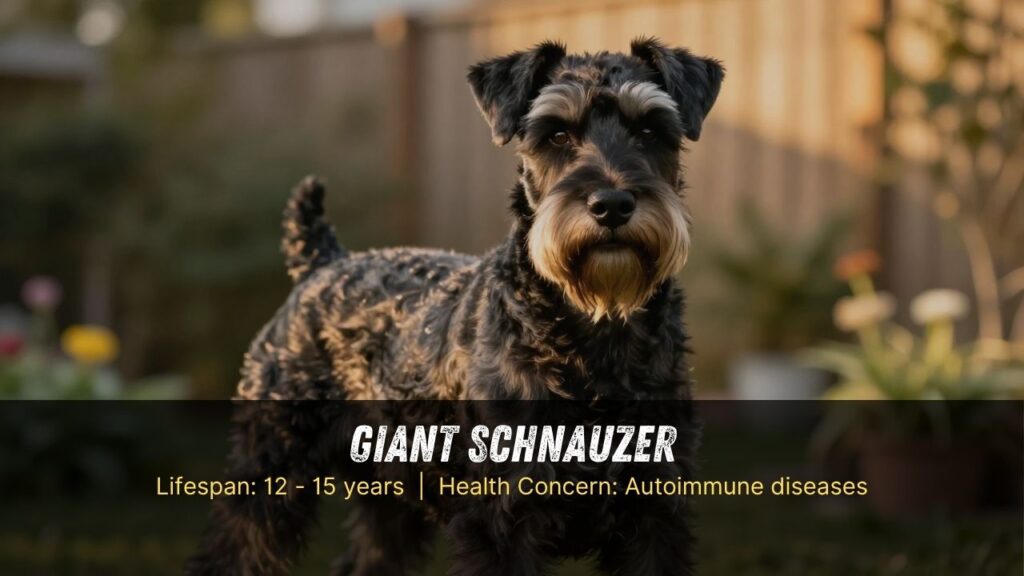
Giant Schnauzer
The Giant Schnauzer commands a highly impressive lifespan of 12 to 15 years. This rugged farm breed was created in the Bavarian Alps to drive cattle, resulting in a physically robust dog that typically weighs between 60 and 95 pounds.
Their longevity is directly tied to their fantastic immune systems and totally balanced physical proportions. They do not carry the extreme, exaggerated features—like sloped backs or smushed faces—that often shorten the lives of other dogs. Instead, they feature an athletic, square-built frame that supports their heavy weight perfectly.
To keep a Giant Schnauzer in top shape, they need regular grooming and high-intensity exercise to burn off their working energy. Owners do need to watch for minor autoimmune issues as they age. But with standard veterinary care, these commanding dogs will happily hike and play well into their early teens.
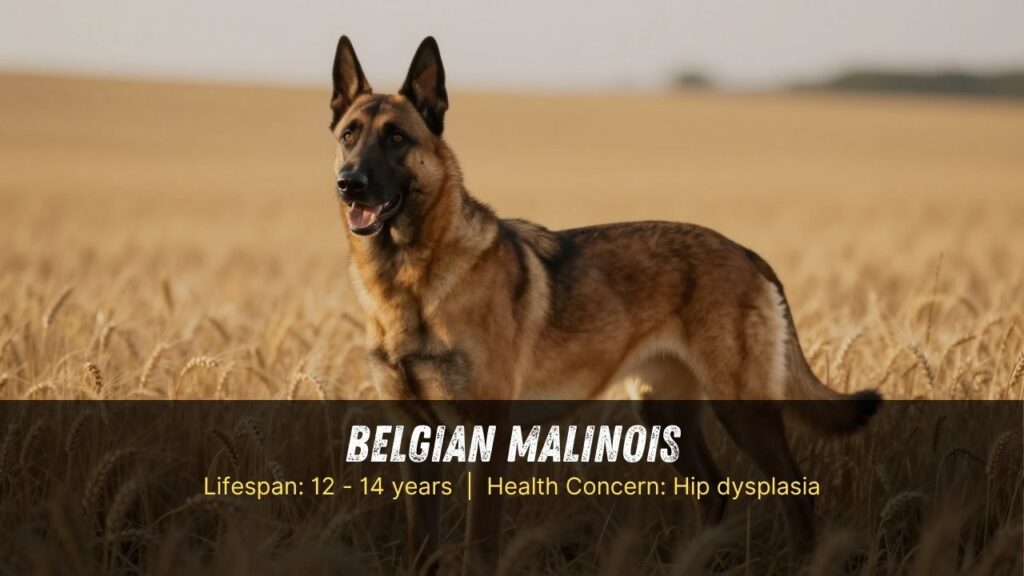
The Belgian Malinois is a medium-to-large breed that regularly enjoys a lifespan of 12 to 14 years. They are the top choice for military and police forces around the world because they offer the size of a German Shepherd with a much longer working life. Their intense work ethic keeps them physically conditioned long past middle age.
Their long life stems from a light, highly athletic frame that rarely exceeds 80 pounds. Carrying less weight absolutely prevents the severe hip and spine degeneration often seen in heavier police dogs. The Belgian Malinois requires intense daily mental and physical exercise to stay sane and healthy.
If you are active enough to meet their insanely high drive, you will have a durable, fiercely loyal companion for many years. Just be ready to spend hours throwing a ball or running agility courses.
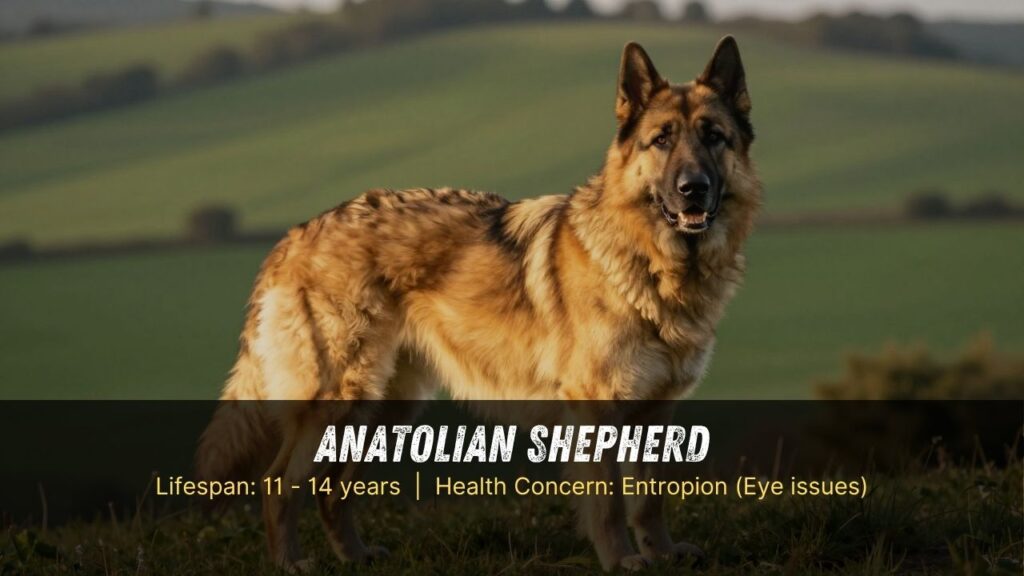
Anatolian Shepherd
The Anatolian Shepherd is a true giant that regularly reaches 11 to 14 years of age. Despite weighing up to 150 pounds, they easily outlive similarly sized giant breeds like the Great Dane, Mastiff, or Saint Bernard. Their rural farming origins mean they have never been subjected to extreme aesthetic breeding just to look good in a show ring.
This breed was developed in Turkey to live outside and guard sheep against wolves and bears. They survived through brutal natural selection, meaning only the most genetically sound, toughest dogs passed on their traits. The Anatolian Shepherd also runs on a naturally slow metabolism for a dog of its size.
A slower metabolic rate drastically reduces the cellular damage associated with rapid aging. While they are very stubborn and independent, their robust health makes them incredibly reliable guardians.
Also Check – Top 10 Big Dog Breeds That Don’t Shed
Actionable Tips for Longevity
You can directly extend your large dog’s lifespan by maintaining a lean body weight, providing daily joint support, and carefully screening a breeder’s genetic testing history. These three proactive steps significantly reduce the risk of premature aging and preventable canine diseases.
Strict Weight Management
Keeping your big dog lean is the absolute best way to add extra years to their life. Science consistently proves that dogs kept at an ideal body weight live up to two full years longer than their overweight counterparts. For a heavy breed, carrying even five extra pounds puts devastating, daily stress on their heart and skeletal system.
I always advise dog owners to feel their dog’s ribs regularly. You should be able to feel the ribs easily without pressing hard through a thick layer of fat. Throw out the high-calorie commercial treats and swap them for fresh, crunchy vegetables like carrots, cucumbers, or green beans. Always weigh your dog’s kibble with a digital kitchen scale rather than using a standard measuring cup to stop accidental overfeeding.
Prioritize Joint Care Early
Large dogs generally age out of their mobility long before their internal organs fail, making joint care an absolute necessity from day one. Please do not wait until your dog is actively limping to start them on a high-quality joint supplement. Building up their joint fluid during their puppy years sets a rock-solid foundation for a pain-free senior life.
Introduce daily supplements containing glucosamine, chondroitin, and Omega-3 fatty acids to lower systemic inflammation. You also need to limit high-impact activities while your large puppy is still growing. Do not let your big puppy jump out of tall trucks or run aggressively on hard concrete until their growth plates fully close around 18 months of age.
Screen Breeders for Genetic Testing
The foundation of a long life is literally built before the puppy is even born, which means you must demand complete health clearances from your breeder. Clean genetics act as a natural armor against the aggressive cancers and heart conditions that take big dogs way too soon.
A truly responsible breeder will hand you orthopedic clearances from organizations like the OFA (Orthopedic Foundation for Animals). They will also eagerly show you the screening results for breed-specific heart and eye conditions. Never hand over cash for a large breed puppy without seeing the documented, generational health history of both parents.
Frequently Asked Questions About Big Dog Longevity
Here are the direct, science-backed answers to your most common questions about big dog health, breed lifespans, and general canine traits. Reviewing these basic facts will help you make a smart, informed decision when bringing a new dog home.
What breed of large dog lives the longest?
The Standard Poodle and the Alaskan Malamute are the longest-living large breeds, frequently reaching 15 years of age. Their lean body masses, deep genetic diversity, and excellent cardiovascular health allow them to easily outlive most other dogs in the 60-to-90-pound range.
What large dog has the fewest health problems?
The Belgian Malinois typically has the fewest health problems among large dogs due to strict breeding for functional athletic work rather than physical appearance. They maintain a light, highly balanced build that naturally protects them from the severe joint and spinal issues common in heavier working breeds.
What dog breed lives for 20 years?
Small breeds like the Chihuahua, Toy Poodle, and Jack Russell Terrier are the dogs most likely to reach 20 years of age. It is biologically impossible for a true large or giant breed dog to reach 20 years, as their rapid puppy growth rates cause them to age much faster at a cellular level.
What is the gentlest giant dog breed?
The Newfoundland is widely recognized as the gentlest giant dog breed in the world. Often referred to as “nanny dogs,” they possess a remarkably sweet, patient, and completely devoted temperament that makes them exceptionally safe and loving around small children.
What is the most intelligent dog breed?
The Border Collie consistently ranks as the most intelligent dog breed, followed very closely by the Poodle and the German Shepherd. These specific dogs possess unmatched problem-solving skills, intense working intelligence, and the rare ability to learn brand new commands in fewer than five repetitions.
Maximizing Our Time Together
We can absolutely maximize the years we share with our heavy-duty companions by choosing the right breed and committing to proactive daily care. While it is incredibly tough to watch a big dog lose their youthful energy, seeing them thrive well into their double digits is a profoundly rewarding experience.
As an owner who cherishes every single day with my own big rescue dog, I can promise you the daily effort is completely worth it. Feed them lean, measured portions, protect their joints from day one, and prioritize daily mental enrichment over mindless running. By combining excellent genetics with dedicated, common-sense care, you can help your gentle giant enjoy a long, vibrant life right by your side.