
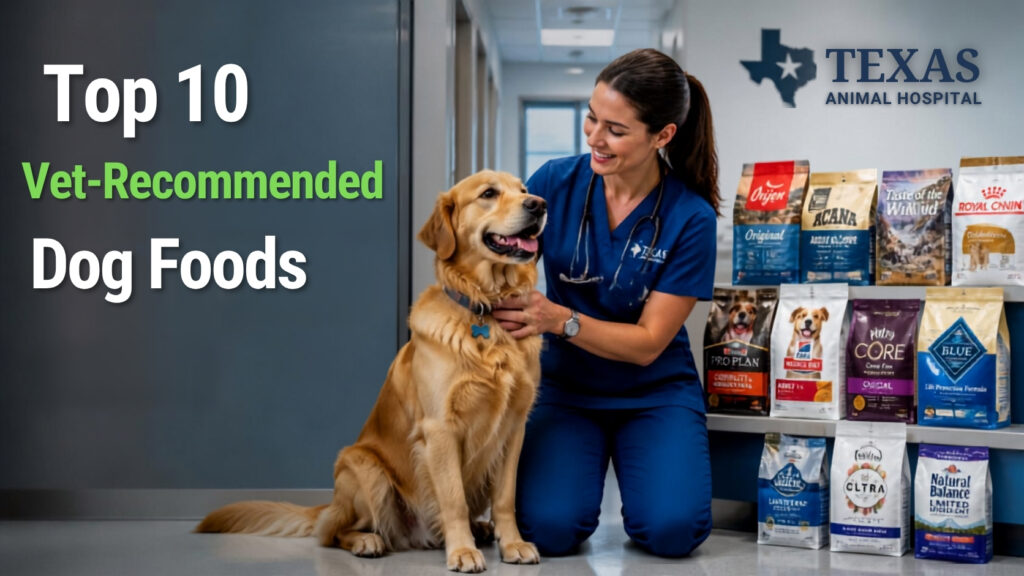
Vet-approved dog foods are backed by science. Find Top 10 Vet-Recommended Dog Foods and formulas for all breeds, plus tips on feeding, allergies, and common myths.
TL;DR: Vets most often back premium brands with proven nutrition (e.g., Hill’s Science Diet, Purina Pro Plan, Royal Canin, Eukanuba, IAMS). Choose a diet labeled “complete and balanced” for your dog’s life stage, with high-quality protein as the first ingredient and added joint-support nutrients (especially for large breeds). Grain ingredients are generally healthy; avoid trendy grain-free foods unless medically needed, since most grain-free diets in DCM cases had peas/legumes. See the sections below for a brand-by-brand breakdown, how to pick the right food, common myths, pitfalls, and actionable tips. Consult your vet to tailor these guidelines to your dog.
Top vet-recommended dog foods include Hill’s Science Diet, Purina Pro Plan, Royal Canin, Eukanuba, and IAMS. Pick a formula suited to your dog’s life stage and size that carries an AAFCO “complete and balanced” statement. For large breeds, focus on formulas with controlled calories and added joint supports (glucosamine, chondroitin, omega‑3s). Always transition diets gradually and talk to your vet before making major changes.
- Plan/Options (Choosing Food): Review vet-recommended brands and formulas (see table and brands below). Compare nutrients and AAFCO adequacy statements. Weigh premium (research-backed) vs. budget options (see cost table) and wet vs. dry diets.
- Why It Works: These brands have veterinary nutrition teams and clinical research behind them. Foods meeting AAFCO profiles ensure essential nutrients. Large-breed formulas prevent rapid growth and support joints.
- Risks/Blind Spots: Beware marketing hype (terms like “holistic” or “all-natural” aren’t regulated). Grain-free diets have been linked to heart issues (FDA found ~91% of DCM cases involved grain-free foods rich in peas/legumes). Dog foods on recall history or with vague “meat meal” ingredients should raise red flags.
- Next Actions: (1) Check labels – pick foods with an AAFCO “complete & balanced” statement. (2) Compare Ingredients – first ingredients should be named animal proteins, not fillers. (3) Monitor & Consult – feed recommended serving (use a measuring cup), watch your dog’s weight and coat. If issues arise (allergies, GI upset, weight loss), consult your vet about switching to a prescription or specialized diet.
Vet-Recommended Dog Foods
Choosing the right dog food can feel overwhelming. You’re not alone if you’ve been sifting through endless bagged dog foods, wondering which one to trust. We’ve been there: new dog owners and seasoned pet parents alike face this confusion. First, know that veterinarians aren’t charlatans — they’re trained in pet nutrition and often recommend brands with proven research and balanced ingredients. In this guide, you’ll learn which brands vets trust, what to look for on labels, and how to tailor choices to your dog’s size and health.
We’ll cut through the fluff, bust common myths (yes, grain-free isn’t inherently better), and give you concrete tables and checklists to make a smart decision. Expect practical steps, expert tips, and straight talk — no filler. By the end, you’ll have a concrete plan to pick or switch to the right food, with confidence.
What Dogs Eat: Vet-Approved Nutrition Essentials
The foundation of any vet-recommended dog diet is complete and balanced nutrition. This means the food meets all the essential nutrient levels for your dog’s life stage, as defined by the Association of American Feed Control Officials (AAFCO). Look for a statement on the label (often on the bag) confirming this.
- AAFCO & “Complete and Balanced”: All reputable dog foods should include an AAFCO statement: e.g., “formulated to meet the nutritional levels established by the AAFCO Dog Food Nutrient Profiles for growth, maintenance…”. This guarantees the food has passed nutrient profile requirements. If it instead says “for intermittent or supplemental feeding,” it’s not complete and balanced. Always avoid foods without a clear adequacy claim – they may lack essential nutrients.
- Key Nutrients: Dogs need protein, fat, fiber, vitamins, and minerals in the right balance. As the Merck Veterinary Manual explains, focus on nutrients, not marketing ingredients. A top-quality dog food will list a named animal protein (like “chicken”, “lamb”, or “salmon”) as the first ingredient, ensuring ample protein for muscle and health. It will also include adequate fats (for energy and skin/coat health), fiber for digestion, and micronutrients. Extras like omega-3 fatty acids, glucosamine, and chondroitin are beneficial for skin, coat, and joint health, respectively.
- Life Stage & Breed: Puppies, adults, and seniors have different needs. Puppies require more calories, protein, calcium for growing bones, etc. Large-breed puppies especially need controlled calcium levels to prevent too-rapid bone growth. For adult dogs, weight management matters; overweight pets need lower-calorie, higher-fiber diets. Seniors may benefit from softer food and added joint support. Beyond age, consider your dog’s size: small breeds have faster metabolisms (burn calories more quickly) than large breeds. Pregnant or nursing dogs (gestation/lactation) have special needs; these will be noted on AAFCO statements or require a vet’s custom diet.
Bottom Line: Pick a formula labeled for your dog’s exact life stage and size (puppy/large breed, adult, senior) with “complete and balanced” certification. For instance, a label might say “complete & balanced nutrition for adult large-breed dogs.” If allergies or medical conditions exist (like kidney disease, skin issues, or obesity), a vet may recommend a prescription diet, but otherwise, a good commercial food from a trusted brand is usually fine.
Disclosure: As an Amazon Associate I earn from qualifying purchases, at no extra cost to you. This helps support TheDogsUSA and allows us to keep creating helpful dog guides.
Top 10 Vet-Recommended Dog Food Brands
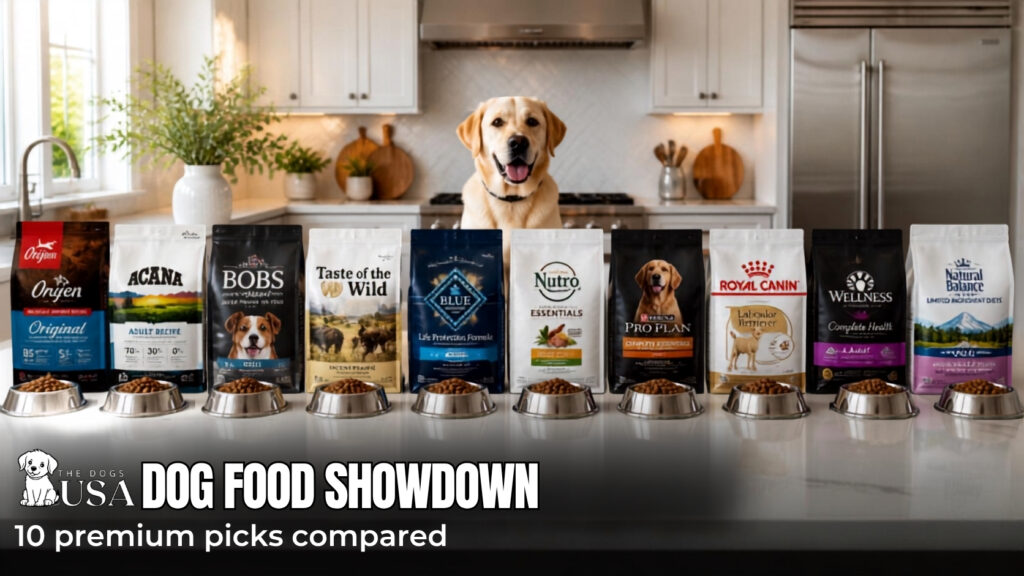
While individual needs vary, most veterinarians tend to trust these ten brands for generally healthy dogs. They have science-backed formulas and consistent quality controls. We list them with their strengths, typical formulas, and any caveats.
| Brand (Amazon) | Key Features | Example Formulas | Vet Notes |
|---|---|---|---|
| Hill’s Science Diet | Developed with veterinary nutritionists. Clinically researched. | Science Diet Adult Large Breed; Puppy; Sensitive lines. | A classic vet favorite. Many clinic-sold diets for allergies, weight, etc. High quality, grain-inclusive. |
| Royal Canin | Tailored formulas by size, breed, or health issue. | Royal Canin Labrador Retriever, Giant Breed Puppy, Sensitive Skin. | Breed-specific nutrition. Extensive clinical trials. (Used widely in hospitals, though ingredients include by-products.) |
| Purina Pro Plan | Backed by research, a broad range (performance, sensitive, etc.). | Pro Plan Large Breed, FortiFlora probiotics, Salmon & Rice (sensitive). | Often recommended for performance/active dogs and specialized diets. Balanced and widely tested. |
| Eukanuba | (Now Purina Eukanuba) Pet food with real meat first. | Adult Maintenance, Large Breed Puppy (chicken), Grain-Free. | High-protein, derived from Purina research. Slightly lower availability but vet-trusted for quality. |
| IAMS | Long-standing brand with affordable formulas. | IAMS Large Breed chicken & barley; Small & Toy Breed; Healthy Weight. | Often recommended for healthy adult dogs. Value-priced. Not as research-heavy as others but reliable. |
| Canidae | Premium ingredients, some grain-free and grain-inclusive lines. | All Life Stages (Multi-cam), Pure Healthy Grains (lamb/rice). | Family-owned. Uses named meats, probiotics included. Generally healthy (AAFCO compliant) but pricier. |
| Wellness | Emphasizes natural ingredients and balanced nutrition. | Complete Health (Lamb & Oatmeal), CORE (protein-focused). | Veterinarian-approved by some. Owned by Berwind (same as Iams). Good quality, includes omega oils. |
| Blue Buffalo (Incl. **True Blue, Life Protection**) | Premium “natural” brand, first ingredients are often meat. | Blue Buffalo Life Protection Formula (Large Breed Chicken & Brown Rice), Wilderness (grain-free duck/salmon). | Very popular with owners. Some vets hesitate after past mislabeling controversies, but still common. |
| Merrick | Uses whole foods & deboned meat, variety of recipes. | Classic Healthy Grains Lamb & Rice; Grain-Free (Real Texas Beef & Sweet Potato). | High quality, made in USA. Includes fruits/veggies. Owned by Purina as of 2017. |
| Natural Balance | Focus on limited-ingredient diets (vet-formulated sub-lines). | Limited Ingredient Diet (Sweet Potato & Fish), Ultra (Turkey & Brown Rice). | Good for dogs with food sensitivities. Meets AAFCO (for labeled life stage). Historically recalled some products, so check history. |
Figure: Examples of vet-recommended dog foods. (Left: Merrick Healthy Grains Lamb & Brown Rice; right: Pedigree Complete Nutrition for small dogs.) High-quality brands like these list real meats first and specify life-stage+size formulations.
Suggested Original Sources:
Hill’s Science Diet: A perennial vet-favorite (often sold in clinics). Science Diet formulas are developed with veterinary nutritionists and often used in feeding trials. They offer breed/size-specific lines (e.g. Large Breed Puppy, Adult Large, Adult Small), plus special diets (Sensitive Stomach, j/d joint, etc.). Their ingredients list chicken or lamb first, with grains and veggies second. The downside is price (on the higher end) and less variety for exotic proteins (mostly poultry and lamb). If your vet literally sells food in the office, it’s likely Science Diet or a prescription Hill’s diet.
Royal Canin: Known for breed-specific and size-specific formulas. For example, Royal Canin makes separate kibble for Labrador Retrievers, Dachshunds, or Yorkies. Each formula is tailored to that breed’s needs (jaw size, common sensitivities). Like Science Diet, Royal Canin is heavily researched. A small caveat: ingredients include some by-products (e.g. “poultry by-product meal”), so if you want only whole meats, that’s a trade-off. Many vets like RC for picky dogs or those with health issues (it has gastrointestinal and skin-healthy lines).
Purina Pro Plan: A top performance brand. Purina has conducted many nutrition studies and even breeds race dogs. Pro Plan’s line is broad: Sensitive Skin/Stomach formulas with salmon & rice; High Energy formulas for working dogs; and weight-control options. Vets often recommend it for adult dogs needing balanced nutrition. It typically lists “real meat” as first ingredient. Its pricing is mid-range (cheaper than Science Diet, pricier than IAMS). A plus: Purina also has a veterinary-exclusive line (Purina Veterinary Diets) for medical conditions, but Pro Plan is what consumers see in stores.
Eukanuba: (Now owned by Purina) Still sold as a separate brand. Eukanuba is rich in animal protein and often has high calcium for active dogs. It’s especially touted for healthy coats (includes omega fatty acids). Less common in vet offices now (since Purina focuses on Pro Plan), but still considered a safe bet. Like IAMS (also Mars), its formulas are generally balanced. Some worry over occasional recipe changes (as with any brand), so stay informed on recalls.
IAMS: More affordable, IAMS products have been staples in pet stores. Modern IAMS (also Mars-owned) uses named meats and often offers breed/size distinctions (e.g. “Small & Toy”, “Large Breed”). It has lines like Healthy Puppy, Mature Adult, etc. IAMS frequently appears on vet recommendation lists alongside premium brands. It’s generally nutritious, though not as ‘premium’ as Science Diet (less research data). As a budget pick, it’s fine for most healthy dogs, but we still advise comparing calories to ensure your dog doesn’t gain weight.
Canidae: A smaller, family-run company. Canidae’s Simple or All Life Stages formulas use a handful of recognizable ingredients (e.g. lamb, peas, garbanzo beans). They’re made in USA and include probiotics on many labels. The brand has an “All Life Stages” blend that a vet might recommend for multi-dog households (one bag for all adult dogs). Downsides: higher cost, and not every vet carries it. Still, its nutrient profiles meet AAFCO and it’s often “good enough” for sensitive or active dogs.
Wellness / Blue Buffalo: These two brands (same parent company) have a “natural” marketing angle. Wellness Complete Health recipes (e.g. Chicken Oatmeal) are grain-inclusive and balanced, while Wellness CORE is a grain-free, high-protein line. Blue Buffalo famously markets “no by-products” and has a Life Protection line (e.g. Lamb & Brown Rice). Some veterinarians liked these for pet owners seeking natural ingredients. However, be aware: Blue Buffalo once faced a lawsuit for misrepresenting chicken content, and grain-free Blue Wilderness was implicated in some DCM case diets (FDA data [67]). We recommend grain-inclusive formulas (Wellness Healthy Weight, Blue Life Protection with grains) unless your dog truly needs grain-free.
Merrick: A premium US brand now owned by Purina. Merrick’s “Real Texas Beef & Sweet Potato” or lamb/rice recipes get high marks. First ingredient is real deboned meat, followed by nutrient veggies and grains (in their grain-inclusive lines). Merrick also offers a “Healthy Grains” line (shown above) for owners who want grain (it uses brown rice). It’s pricier but made in Purina’s Texas facilities, so quality is high. Many vets consider Merrick a safe luxury choice.
Natural Balance: Known for its limited-ingredient diets. If your dog has allergies, a vet might suggest Natural Balance LID formulas (e.g. potato & salmon) to trial. They are AAFCO balanced and avoid common allergens. Just note: in 2007-2009, Natural Balance recalled some products (FDA records), but since then it’s been fine. It’s not typically a first pick unless allergies exist, and it’s on the expensive side for the quantity.
Large-Breed Favorites (Vet Picks)
Large dogs (over ~55 lbs) need extra care. Many of the above brands have special large-breed lines. For example: Hill’s Science Diet Large Breed Puppy, Royal Canin Giant Breed Adult, Pro Plan Large Athletic, etc. These adjust calcium/phosphorus and calories to avoid overgrowth.
Vets advise large breeds to eat formulas with joint-support ingredients (glucosamine, chondroitin) and controlled calcium/phosphorus ratios for bone health. Brands like Hill’s, Royal Canin, and Purina all make large-breed diets. In practice, vets frequently recommend Purina Pro Plan Large Breed or Hill’s Large Breed formulas because they contain high-quality protein plus added joint supplements. (In one survey, all top large-breed recommendations were from those brands.) Always check “large breed” on the label or feeding guide if your dog meets the weight criteria, and remember that feeding amounts will be higher in cups/lbs, so adjust budget accordingly (see Cost section).

Expert Trainer’s Tips
As a professional dog trainer, I emphasize that diet affects behavior and training as much as health. Some actionable tips:
- Feed Consistently: Use a measuring cup and feed at the same times each day. Consistent meals help with house-training and predictability. For example, if you train with treats or kibble, know exactly how much total food your dog gets to avoid obesity.
- Portion Control: Overweight dogs do not learn as well (they get fatigued and lethargic). Always follow the recommended feeding guidelines on the bag, then adjust by a few percent up or down based on your dog’s body condition. Use scales or measure by volume; eye-balling leads to weight creep.
- Timing and Training: Feed slightly after exercise or training sessions, not immediately before. A full belly can make a dog sluggish, or in large breeds it can increase bloat risk if heavy exercise follows a meal. Morning feed can be smaller with lunch treats, and the bulk in the evening after activity.
- Hydration: Trainers see many overheated dogs. In hot climates (like Texas summers), consider wetting kibble or adding ice cubes to meals to increase water intake. Always have fresh water available, especially for outdoor sessions. A hydrated dog is more alert.
- Check Ingredients: Teach owners (and yourself) to read labels. A good trainer-mentor relationship often involves recommending nutrition. If you see a label with “meal” (meal itself is fine) or vague “digest” vs. clear meats, ask questions. Avoid feeding dogs something you wouldn’t eat; that’s a quick litmus test for ingredient quality.
- Rotate Meals Smartly: While frequent food rotation isn’t necessary (and can cause digestive upset), slightly varying protein sources can prevent boredom and reduce chance of a dog developing a food-specific sensitivity. For instance, alternate between a chicken-based and a fish-based diet monthly. Always transition slowly (over 7–10 days) when changing foods.
Common Myths & Misconceptions
“Myth: Grain-free diets are healthier.” Fact: Not for most dogs. Many vets avoid grain-free diets due to DCM concerns. Grains like rice, oats, and corn provide essential nutrients (fiber, B-vitamins) for dogs. Only opt for grain-free under a vet’s advice for a diagnosed grain allergy (which is rare).
“Myth: ‘By-products’ mean garbage.” Fact: Not necessarily. By-products (like liver, heart) are often nutritious organ meats. The key is that by-products are from the same species as listed meats; e.g., “chicken by-product meal” includes meal made from cleaned and dried chicken parts. While by-products are less appealing marketing-wise, in moderate amounts they are not bad if balanced with whole meats.
“Myth: Vet food = prescription diet.” Fact: Veterinarians do carry prescription lines, but “vet-recommended” often means they trust the brands’ regular formulas (Science Diet, Royal Canin, etc.) for healthy dogs. They sell prescription foods for medical cases (kidney, urinary stones, etc.), but for routine feeding they suggest standard brands.
“Myth: All-natural or human-grade means best.” Fact: “Natural” has no strict definition in pet food. “Human-grade” is marketing — any dog food in a pet store is safe but not literally food-grade by human standards. Don’t be swayed by buzzwords. Always look beyond the label to ingredients and nutrient analysis.
Common Owner Mistakes to Avoid
- Switching Too Fast: Changing foods overnight or over a couple of days often causes diarrhea or refusal. Always mix the new food gradually over 7–10 days while phasing out the old food.
- Overfeeding “Treats”: Extras (table scraps, chews) can double daily calories. Even healthy snacks add up. Keep daily treat calories <10% of total intake and adjust meals accordingly.
- Ignoring Individual Needs: A healthy adult dog shouldn’t need supplements or vegetarian diets (unless advised). Over-supplementing (e.g. chondroitin tablets, home-prepared diets without vet guidance) can unbalance nutrition. Use a vet’s advice before adding anything.
- Relying on Palatability Alone: Dogs love fatty, salty foods. Just because Fido inhales a lamb-flavored kibble doesn’t prove it’s nutritionally best. Avoid choosing by “dog’s taste” or packaging hype.
- Forgetting Recall History: Always check if a brand has recent recalls (for Salmonella, etc.). Reputable brands issue prompt notices, but fringe brands sometimes have lapses. The FDA recalls list is a quick place to monitor if concerned.
Decision-Making Checklist
Use this checklist before buying or switching dog foods:
- Check Nutritional Statement: Ensure it says “complete and balanced” for your dog’s life stage (puppy/adult/senior) and size (mention large-breed if needed).
- Vet Endorsement: Does your veterinarian stock or recommend this brand/formula? Have a quick discussion at your next visit.
- First Ingredient: Preferred named animal protein (chicken, lamb, salmon) as #1. Avoid foods with unnamed “meat meals” if possible.
- Ingredient Quality: Look for whole-food sources (sweet potato vs. potato flour, blueberry vs. berry flavoring).
- Known Recalls or Issues: Quickly Google “(Brand name) recall” to see any recent problems.
- Special Nutrients: If you have a large/giant breed, ensure the formula lists joint supplements and is labeled for large breeds. For skin/allergy dogs, avoid extra fillers and check for omega fatty acids.
- Price vs. Quality: Can you afford this on a monthly basis? Sometimes higher price means better nutrition, but balance your budget. (See Cost section below.)
- Storage & Hydration: Plan where to store the food (cool, dry place) and consider adding moisture (water, broth) especially in hot climates.

Seasonal & Texas-Specific Advice
In Texas, heat and humidity are major factors. High temperatures increase water needs: consider adding water or broth to dry kibble to help with hydration. In summer, feed during cooler times (morning/evening) and avoid late-day heavy meals.
- Summer Nutrition: Electrolyte solutions (Pedialyte diluted, or commercial pet electrolytes) can help very active dogs. Freeze some wet food into ice-cube treats (watermelon, cucumber, yogurt freezes).
- Parasite Season: The hot months in TX bring ticks/fleas. While food won’t prevent pests, a healthy coat from good nutrition can minimize skin irritation. Omega fatty acids (found in fish oils) in your dog’s food or supplement can help skin health. Always use vet-recommended preventives for parasites.
- Local Breeds & Activities: Texas has many hunting and working dogs (Hounds, Lab/Goldens, Cattle dogs). These high-energy dogs may benefit from higher-fat formulas (30%+ fat) like those in Purina Pro Plan Sport or Pro Plan Performance lines. Show dogs or couch potatoes need less fat.
- Air Quality: During droughts or heavy pollen seasons, dogs with respiratory issues benefit from diets with antioxidants (fruits, veggies) to support immune health. Many premium foods include blueberries, spinach, etc. This is subtle, but vets in big cities sometimes note better allergy management with antioxidant-rich diets.
- Local Resources: Texas A&M’s veterinary school (College Station) and the Texas VMA often share nutritional advice; if in doubt, check any local university extension resources on pet feeding or consult a Texas vet familiar with local climate needs.
If your dog does any outdoor swimming (lakes) or dirt digging, rinse paws and coat after meals (salty lake water or sand can irritate skin, unrelated to diet but common in TX dog care). In short: feed quality, keep them cool/hydrated, and use food as part of the summer routine (frozen Kong treats with wet food, etc.).
Cost & Budget Considerations
High-quality foods cost more, but they’re also more nutrient-dense. Here’s a rough cost comparison per day for a 50-lb adult dog (general estimates):
| Brand/Type | Cost (per 50-lb dog/day) | Notes |
|---|---|---|
| Hill’s Science Diet (Adult Large Breed, 30-lb bag @$60) | ~$3.20 (3 cups/day) | Premium, clinic formula. |
| Royal Canin (Adult Large, 30-lb @$75) | ~$4.00 (2½ cups/day) | Higher cost due to specialized formulas. |
| Purina Pro Plan (Adult Large, 30-lb @$50) | ~$2.50 (3½ cups/day) | Good balance of quality and price. |
| Eukanuba (Adult, 30-lb @$45) | ~$2.25 (3¾ cups/day) | Slightly cheaper than Pro Plan. |
| IAMS (Adult Large, 30-lb ~$35) | ~$1.75 (4 cups/day) | Budget-friendly; more food volume needed due to lower density. |
| Canidae (All Life Stages, 25-lb @$55) | ~$4.20 (3½ cups/day) | Very high end ($/day). |
| Wellness (Complete Health, 28-lb @$60) | ~$3.00 (3 cups/day) | Premium natural option. |
| Blue Buffalo Life Protection (Large, 30-lb @$50) | ~$2.80 (3 cups/day) | Similar to Pro Plan cost. |
| Merrick (Healthy Grains, 30-lb @$60) | ~$3.50 (3¼ cups/day) | Premium with US-sourced ingredients. |
| Pedigree (Complete, 56-oz ~$12) | ~$1.20 (2½ cups/day) | Economy tier; more filler, less protein. |
(Prices and feeding amounts are approximate and vary by region/store.)
- Budget Tips: If cost is a concern, consider buying larger bulk bags or warehouse brands (some Petco/Costco foods meet AAFCO well). You can also mix a little premium food into a cheaper diet to gradually upgrade quality. Always transition slowly if mixing brands.
- DIY Meals: Some owners make home-cooked diets to save money, but this should only be done with guidance (nutrient balance is tricky). In general, saving a few dollars isn’t worth risking an incomplete diet.
Remember: cheaper foods often have more fillers (grains, corn) and less protein. Your vet budget (for health care) should also account for good nutrition. Over time, a healthy diet can mean fewer vet visits. Still, if finances are very tight, modern mid-tier brands (like IAMS or Purina Dog Chow) are formulated to meet basic needs, and your vet can advise portion and supplementation.
Vet’s Note: When to See Your Veterinarian
Even the best pet owner can encounter issues. Consult your vet if:
- Digestive Upset: Persistent diarrhea/vomiting, or refusal to eat new food beyond a couple days. This could signal intolerance or a need for a prescription diet.
- Food Allergies/Sensitivities: If your dog has chronic itching, ear infections, or GI problems, ask about an elimination diet trial. Merck Veterinary Manual notes that true food allergies are often due to proteins, and trials work best with prescription diets to avoid cross-contamination.
- Weight Changes: Sudden weight loss or gain (despite constant feeding) warrants a vet check (thyroid issues, parasites, etc). Adjust feeding under vet guidance to reach ideal body condition (usually visible waist and rib feel).
- Medical Conditions: Dogs with diseases (kidney disease, diabetes, pancreatitis) often need therapeutic diets. Never attempt a homemade substitute for these without a vet.
- Puppy Growth: Large-breed puppies growing too fast need correction (switch to large-breed puppy formula). Small breed puppies may overeat if given adult food. Vets can chart growth curves.
- Behavioral Changes: If a food change coincides with lethargy or hyperactivity, rule out health problems. Sometimes, a too-fat diet (or too much fat) can cause pancreatitis.
Safety Warning: Always store dog food in a cool, dry place to prevent spoilage. Discard any rancid or moldy food. Check bag dates (some dates are packing dates, others are “best by”). If recall alerts appear (e.g. via FDA or community boards), immediately stop using the product and report any sick pet to your vet.
FAQ
- What brands do veterinarians recommend?
- Veterinarians typically suggest well-established brands backed by research. Common picks are Hill’s Science Diet, Purina Pro Plan, Royal Canin, Eukanuba, and sometimes IAMS. They choose based on your dog’s age, size, and health.
- Is grain-free or grain-inclusive food better?
- For most dogs, grain-inclusive diets are fine or even beneficial. Grain-free diets (often high in peas and lentils) have been linked to heart problems (DCM) in some studies. Only use grain-free if a vet diagnoses a grain allergy.
- How do I switch my dog’s food?
- Transition gradually: mix 25% new food with 75% old for 2–3 days, then 50/50, then 25/75, until fully switched (about a week). Monitor stool consistency and appetite.
- Should I feed differently in summer?
- Increase your dog’s water intake (add broths or water to dry food). Offer meals during cooler times of day. After exercise, let the dog rest a bit before a big meal to avoid bloat (especially in large or deep-chested breeds).
- When is homemade food okay?
- Homemade diets can work if planned by a vet nutritionist. Do not guess—most homemade diets end up unbalanced. If cost or allergies push you home cooking, consult resources like the AKC or WSAVA guides first.
Key Takeaways
- Vet-Trusted Brands: Hill’s Science Diet, Royal Canin, Purina Pro Plan, Eukanuba, and IAMS consistently rank high for balanced nutrition. (Other quality brands: Canidae, Wellness, Merrick, Natural Balance for special cases.)
- Read Labels: Look for “AAFCO Complete & Balanced” and a named protein first. Ingredients like peas/legumes are OK, but beware grain-free hype due to DCM risk.
- Size & Life Stage Matter: Feed puppy formulas to puppies, large-breed formulas to giant dogs. Large dogs need joint-support nutrients and slower growth. Adjust feeding amounts by weight (see feeding guidelines).
- Avoid Pitfalls: Don’t switch foods too fast. Measure meals to avoid overfeeding. Question marketing buzz. If your dog has issues (allergies, weight, disease), consult your vet – sometimes a prescription diet is needed.
- Quality Over Vanity: A slightly grain-inclusive, research-based diet is generally better than an expensive grain-free, trendy food. Balanced nutrition is key.
Choosing the best dog food isn’t glamorous, but it’s crucial. By focusing on proven brands and balanced formulas, you give your dog a healthy foundation. Keep an eye on your dog’s condition and schedule vet check-ups; as dogs age or their lifestyle changes, their dietary needs will, too. With this guide and checklist, you now have a clear roadmap to make smart food choices that veterinarians support – keeping your dog healthy, happy, and ready for play.
Inspiration: Continue learning! Read our guide on Best Freeze-Dried Raw Dog Food to switch diets safely, or check out Dog Treats Without Fillers and Binders | Healthy & Safe Choices for Your Pup for tips on managing allergies with food. And remember, great care at home complements vet care – you’ve got this!
Pingback: Best Training Treats for Dogs: Vet-Approved & Low-Cal Rewards - The Dogs USA